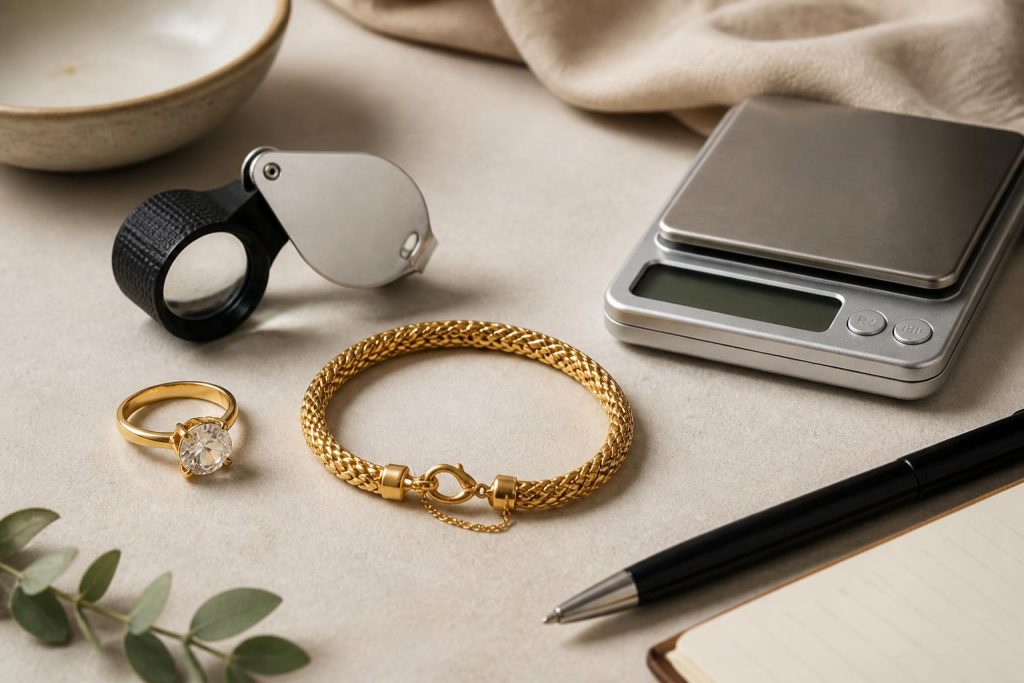
Jewelry Value Guide
14k Gold Price Per Ounce: Quick Reference and Math
Learn how to estimate the 14k gold price per ounce, what affects value, how to test jewelry, and how to use a simple valuation checklist before selling or insuring.
If you’re trying to understand the 14k gold price per ounce, the key thing to know is that the number you see is usually an estimate based on purity and current market gold prices. Fourteen karat gold is not pure gold, so its value per ounce depends on how much actual gold content it contains, plus whether you’re looking at melt value, resale value, or retail value.
This guide explains how to check the 14k gold price per ounce today, what changes the value of 1 ounce of 14k gold, and how to evaluate a piece more confidently before you sell, insure, or appraise it.
What does 14k gold price per ounce mean?
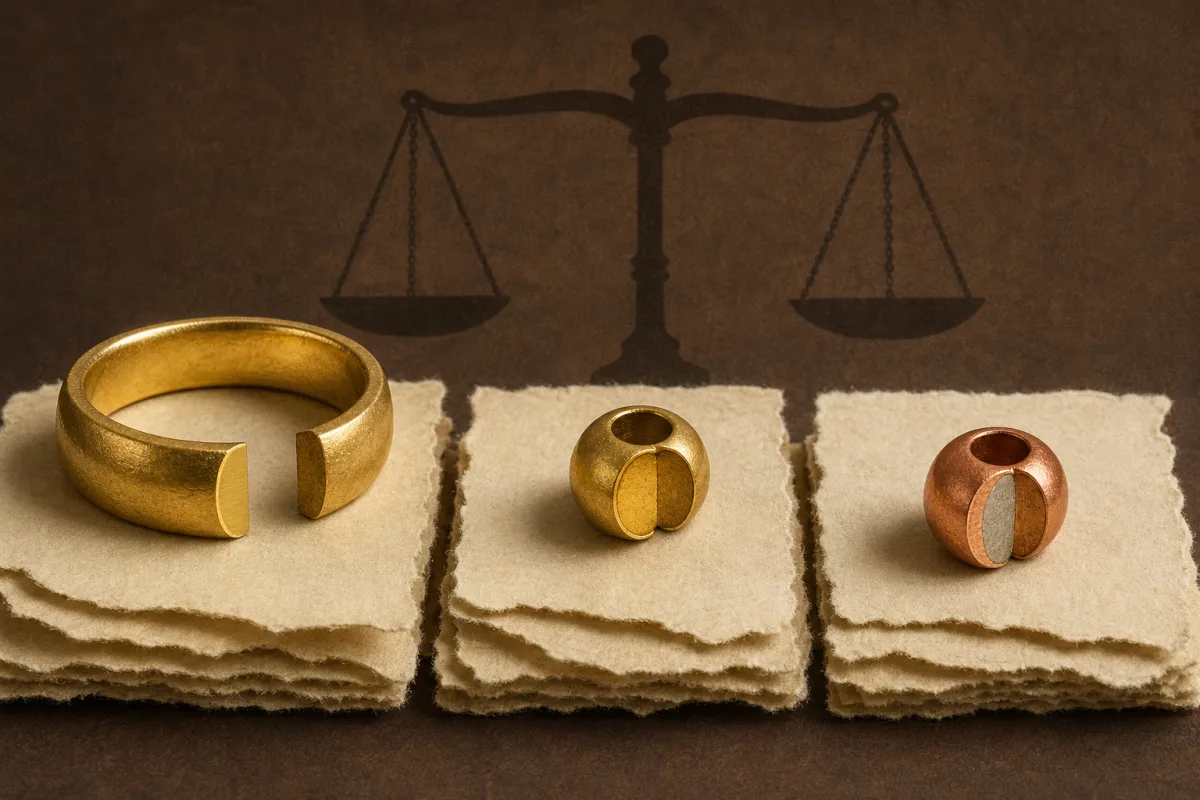
The phrase 14k gold price per ounce usually refers to the estimated value of one ounce of 14 karat gold based on the metal content inside it. Since 14k gold is 58.3% pure gold, the rest is made up of alloy metals such as copper, silver, nickel, or zinc. That means the 14k gold ounce price is lower than the price of pure 24k gold.
When people search for the price per ounce of 14k gold today, they may be looking for one of three different values:
- Melt value: the scrap value of the gold content only.
- Resale value: what a buyer may offer for used jewelry.
- Retail value: what a new piece costs from a jeweler.
These are not the same. For a fair comparison, always confirm which value you are checking.
How to estimate the value of 1 ounce of 14k gold
The value of 1 ounce of 14k gold is based on the current spot price of gold, adjusted for 14k purity. Since 14k contains 14 parts gold out of 24, the gold content is about 58.3%.
| Item | What it means | Why it matters |
|---|---|---|
| 24k gold spot price | Price of pure gold per troy ounce | Starting point for valuation |
| 14k purity | 58.3% gold content | Reduces the value compared with pure gold |
| Weight | Usually measured in grams or troy ounces | Determines total metal value |
| Buyer margin | Dealer or refinery spread | Affects actual cash offer |
If you want a fast estimate, you can multiply the current pure gold price by 0.583 to approximate the 14k gold value per ounce before buyer fees or premiums. That gives you a practical starting point, but not a final offer.
For a more precise breakdown by gram, you may also want to read 14k Gold Price Per Gram Today: How to Check What It Is Worth.
What affects the 14k gold value per ounce?
Several factors can move the 14k gold per ounce price you’re likely to see in the real world:
- Live gold market prices: Gold changes throughout the trading day.
- Purity confirmation: A true 14k piece is 58.3% gold, but some pieces are worn, plated, or mislabeled.
- Weight measurement: Small weighing errors can change the value meaningfully.
- Condition: Damage may matter for resale, even if melt value stays the same.
- Brand, design, and gemstones: These can increase value beyond metal content if the piece is desirable.
- Buyer type: A refinery, pawn shop, jeweler, or private buyer may quote very different numbers.
That is why the 14k gold price per ounce today is best treated as a reference point, not a guaranteed cash payout.
How to check what your 14k gold is worth
If you have jewelry in hand, use this simple checklist to estimate value before making a decision:
- Look for a karat mark. Common marks include 14K, 585, or 14KT.
- Confirm the piece is not plated. A mark alone does not guarantee purity.
- Weigh the item. Use a reliable scale. For precious metals, grams are often easier to compare.
- Check the current gold spot price. Use a current market source, not an old chart.
- Apply the 14k purity factor. Multiply the pure gold price by 0.583.
- Separate stone value from metal value. Gemstones are usually not included in melt estimates.
- Compare offers. If selling, check more than one buyer.
If you want help identifying and organizing what you own first, the Jewelry Value Finder can be a useful starting point for a clearer valuation workflow.
Photo tips for identifying 14k gold jewelry
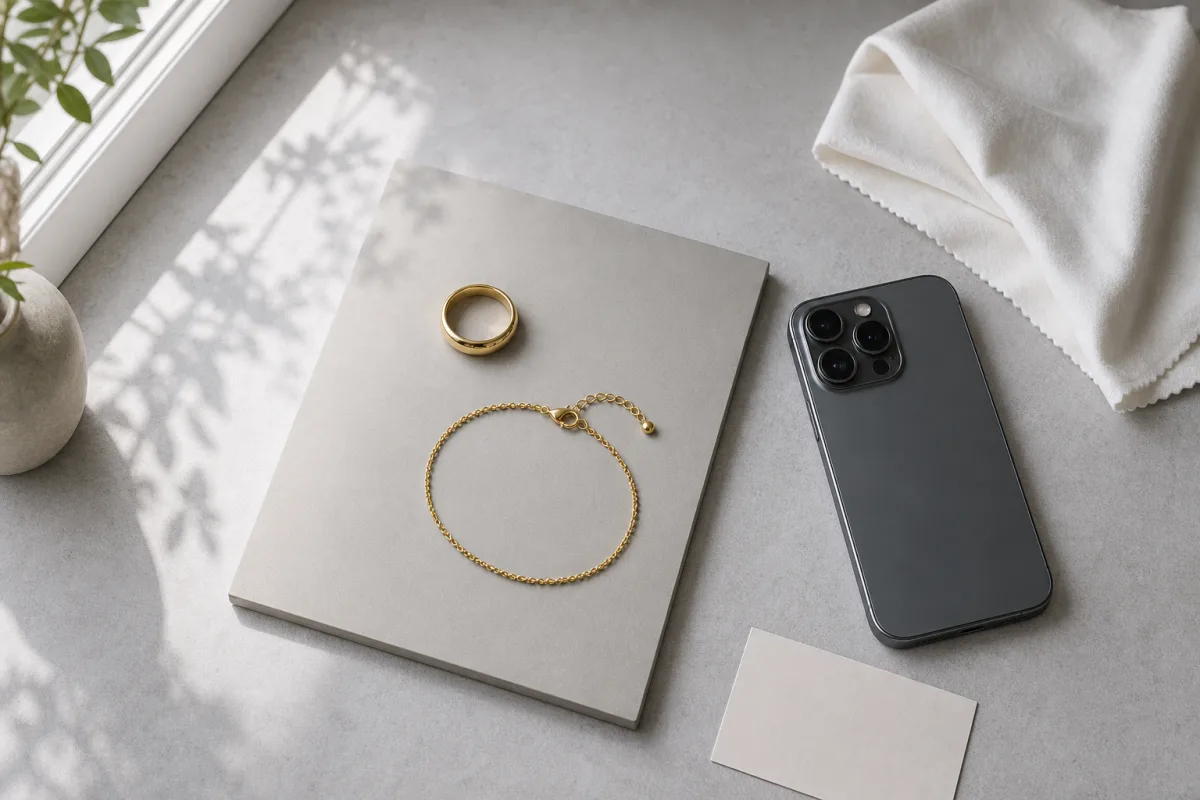
Good photos can help you document a piece before appraisal or sale. They also make it easier to compare stamps, settings, and wear patterns later. For the best results:
- Use natural daylight near a window.
- Place the piece on a plain white or gray surface.
- Take one close photo and one full-piece photo.
- Capture any karat marks or maker’s marks clearly.
- Use a macro setting if your phone supports it.
- Avoid flash glare on polished gold surfaces.
Do not rely on a photo alone to confirm purity. If you see a 14K or 585 stamp, treat it as a clue, not final proof.
14k gold price per ounce today versus retail pricing
People often compare the 14k gold price per ounce today to the price of a finished chain, ring, or bracelet and assume they should match. In reality, retail jewelry pricing includes design labor, brand markup, setting costs, and business overhead.
That means the market value of the gold inside a piece is usually far below the original retail price. On the other hand, a signed designer piece, antique item, or heavy fashion-forward bracelet may be worth more than melt value because of demand and craftsmanship.
Practical rule: use melt value to understand the metal, but use resale comparisons to understand the finished jewelry.
When a professional appraisal makes sense
Sometimes metal value is only part of the story. A professional appraisal may be worth considering if the item is:
- From a known designer or luxury brand
- Set with diamonds or other gemstones
- Vintage, antique, or collectible
- Part of an estate or insurance review
- Worn, altered, or missing hallmarks
If you want a broader explanation of appraisals and valuation steps, see Jewelry Appraisal Service: How to Check What It Is Worth.
Common mistakes when checking 14k gold ounce price
- Using a price chart for pure gold instead of 14k gold
- Confusing grams with ounces
- Ignoring buyer fees or refinery deductions
- Assuming every 14K stamp proves solid gold
- Overlooking stones, brand value, or condition
- Using outdated prices from a previous day or week
A careful check prevents most valuation errors. If you are only looking for the 14k gold price per ounce, keep in mind that the final number is always influenced by weight, purity, and market timing.
FAQ
What is the 14k gold price per ounce?
It is an estimate of the value of one ounce of 14 karat gold based on its 58.3% gold content and the current gold market price. The actual offer you receive may be lower after buyer costs.
How do I find the 14k gold price per ounce today?
Start with the live pure gold price, then multiply by 0.583 to estimate the gold content value of 14k gold. For jewelry, also check weight and confirm whether the piece is solid, plated, or mixed with stones.
Is the 14k gold ounce price the same everywhere?
No. Dealers, pawn shops, refineries, and jewelers may quote different numbers based on their business model, testing method, and payout structure.
What is 1 ounce 14k gold worth?
The value of 1 ounce of 14k gold is usually calculated from the current pure gold spot price multiplied by 58.3%, then adjusted for buyer margins. That gives an estimate of melt value, not necessarily resale value.
Can a 14k piece be worth more than its metal content?
Yes. Designer, antique, and gemstone-set jewelry can sell for more than the value of the gold alone, especially if the piece is desirable and in good condition.
Use a simple valuation process before you sell
If you want to make a smarter decision, start with the metal value, then compare it with resale potential. That gives you a more realistic view of the 14k gold price per ounce and what your specific piece may actually be worth.
For a practical next step, use the Jewelry Value Finder workflow to document the item, confirm the basics, and compare your options before selling or insuring. If you prefer using a mobile tool, the Jewelry Identifier app is available here: download on the App Store.
Try the Jewelryvaluefinder app
Use the app when you want a faster photo-based check before comparing details manually.