Jewelry Value Guide
Diamond Prices Over Time: Trends and What They Mean for Yours
Learn how the price of diamond over time is determined, what affects diamond value today, and how to check a diamond’s worth with practical valuation steps.
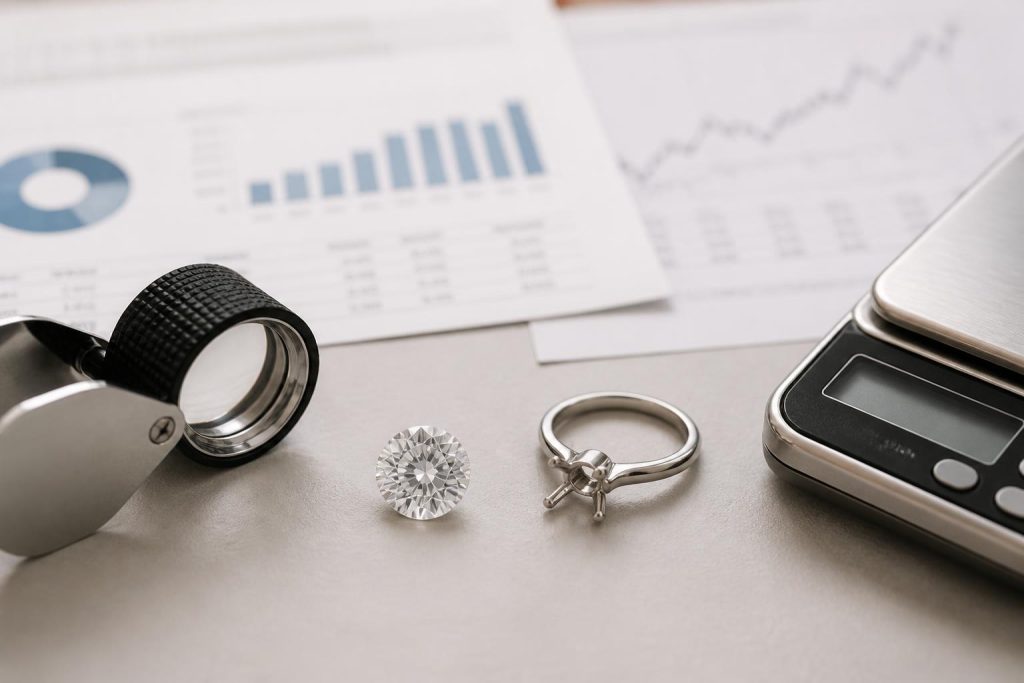
The price of diamond over time is not as simple as one rising line. Diamond value depends on quality, market demand, rarity, and whether you are looking at a loose stone, a finished ring, or a famous historic diamond. If you want to know what a diamond is worth today, the key is learning how to compare the stone’s characteristics with current market pricing.
This guide explains how diamond prices are assessed, what affects valuation, and how to check a stone’s worth step by step. It also covers common searches like price of diamond per carat, natural diamond ring price, and even historic examples such as the koh i noor diamond price and price of hope diamond in context.
How the price of diamond over time is usually measured
When people ask about the price of a diamond over time, they may mean different things:
- how much a diamond cost when it was first bought
- how market prices for similar diamonds have changed
- what a diamond could sell for today in resale or appraisal
- how a ring’s total value changes as gold, craftsmanship, and diamond quality vary
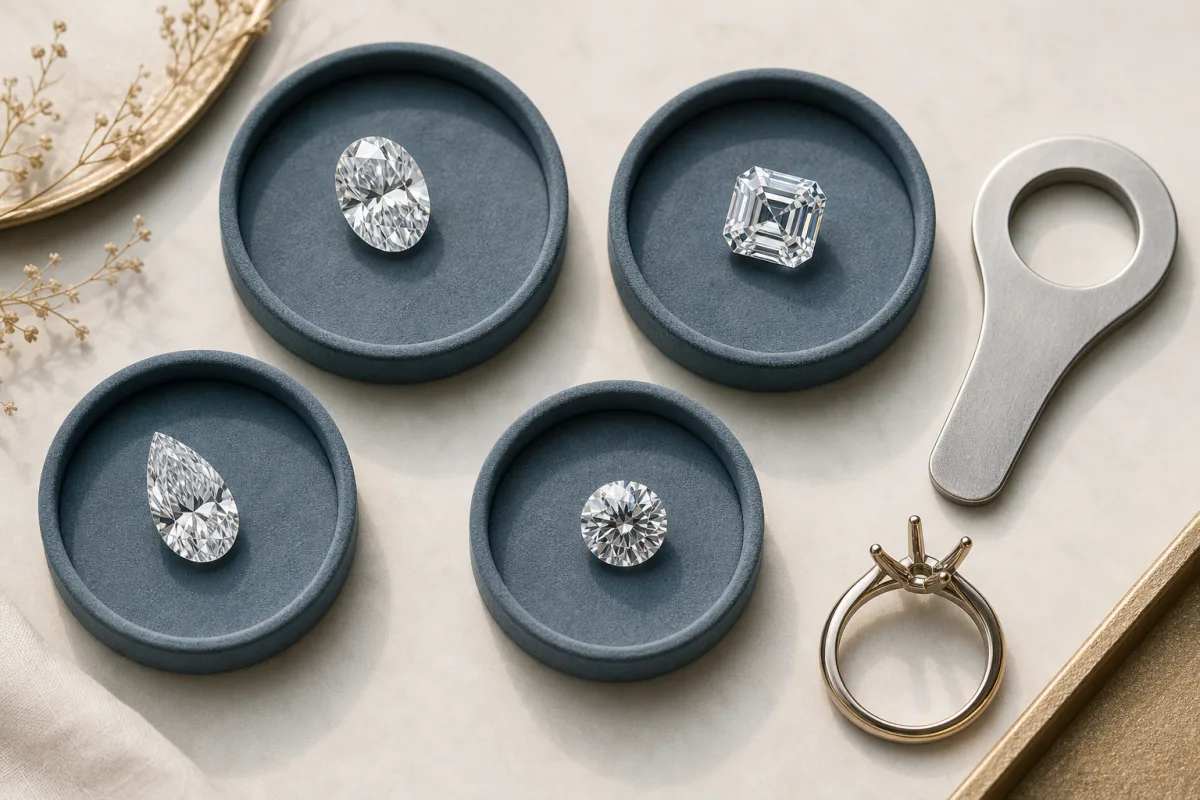
Unlike a commodity with one posted exchange rate, diamonds are valued stone by stone. Even two diamonds that look similar can have very different prices if one has better cut, color, clarity, or certification.
What affects diamond value today
The valuation of diamond depends on a combination of gem quality and market conditions. Here are the main factors that matter most.
| Factor | Why it matters | What to look for |
|---|---|---|
| Carat weight | Heavier stones usually cost more per stone and often more per carat | Exact weight in carats or points |
| Cut | Cut strongly affects brilliance and desirability | Excellent, very good, good, etc. |
| Color | Less color usually means higher value in white diamonds | Grading from colorless to tinted |
| Clarity | Fewer inclusions and blemishes generally raise value | Clarity grade and visible features |
| Certification | A lab report supports comparison and pricing | GIA, IGI, or similar report details |
| Market setting | Retail, resale, insurance, and auction values can differ | Which value you actually need |
For a finished ring, the natural diamond ring price is also influenced by the metal type, setting style, designer name, and condition. A ring’s resale value is often lower than its original retail price, even when the diamond itself is genuine and attractive.
Why diamond prices do not move like gold prices
Gold has a public spot price, so tracking gold over time is straightforward. Diamonds are more complex. The market is shaped by supply, demand, grading standards, and the fact that most diamonds are sold as individual gems rather than uniform units.
That is why a diamond pricing calculator can only estimate value. It usually works by combining the stone’s key specs with market benchmarks. The final number still depends on the exact diamond and the type of valuation you need.
How to check what a diamond is worth
If you want a practical estimate, follow these steps.
- Find the diamond’s report if one exists. Note carat weight, cut, color, clarity, shape, and measurements.
- Inspect the setting if the stone is mounted. A ring’s metal and craftsmanship affect the total value.
- Decide the purpose of the valuation. Resale, insurance, estate planning, or curiosity each leads to a different number.
- Compare similar diamonds using current listings and auction results, not only the original purchase receipt.
- Check for professional appraisal if the stone is significant or you need a document for insurance or legal use.
If you are starting from a physical item and want help identifying what you have, the Jewelry Value Finder can help you organize the details before you compare prices.
Price of diamond per carat: why it changes so much
The phrase price of diamond per carat sounds simple, but the per-carat figure can vary dramatically. In general, larger diamonds command a higher price per carat because large, high-quality stones are rarer. But the quality grade matters just as much.
- A smaller diamond with excellent cut and high color may be worth more than a larger stone with poor proportions.
- Fancy shapes can price differently from round brilliants.
- Fancy colors, like pink or blue, follow separate market dynamics.
- Two diamonds with the same weight can price very differently if clarity and cut differ.
That is why per-carat pricing should be used as a comparison tool, not as a standalone valuation.
Historic diamonds and why their value is not typical
Searches like koh i noor diamond price, kohinoor diamond value, and price of hope diamond often appear because famous stones attract curiosity. These diamonds are not typical retail examples. Their value is tied to history, ownership context, rarity, public fame, and in some cases, the fact that they are not actively for sale.
That means a famous diamond’s headline value is not a reliable benchmark for an ordinary stone. For everyday valuation, focus on the item’s own specs and current market comparison data instead.
Photo tips that help with identification and valuation
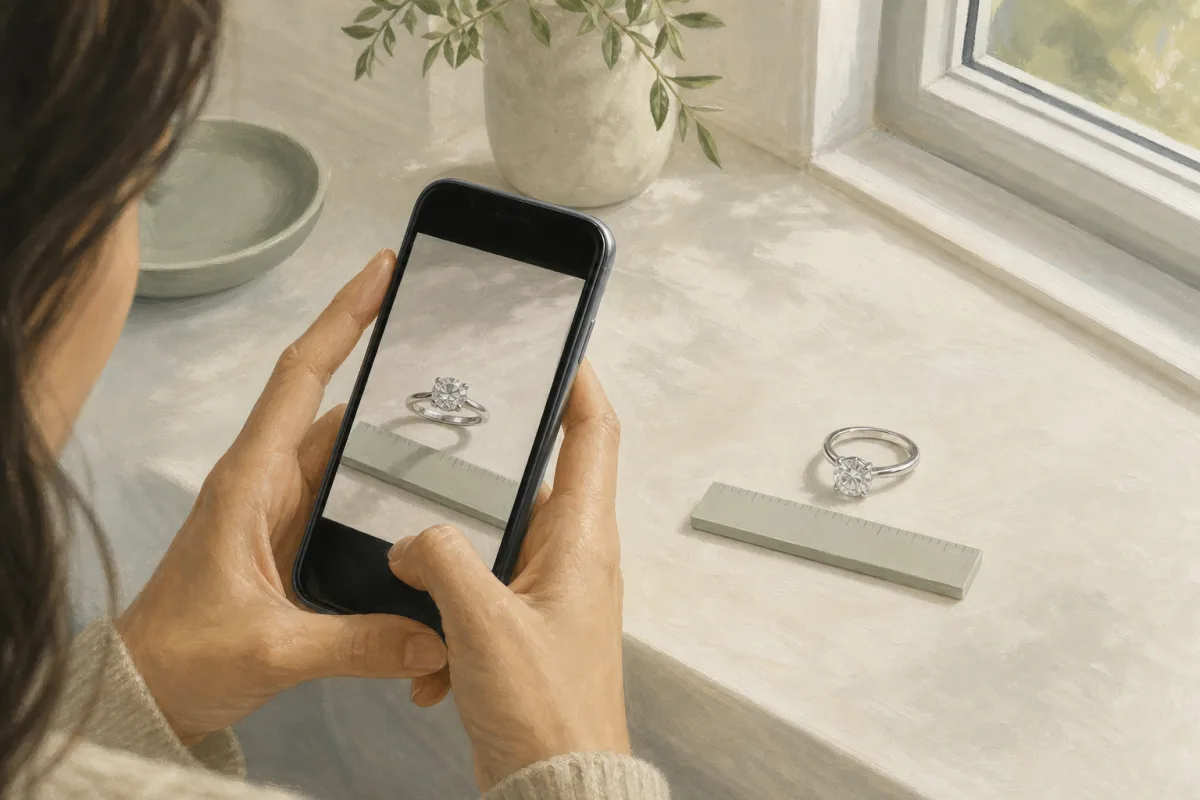
Clear photos make a big difference when you are trying to identify or estimate a diamond. Good images help you compare shape, setting, and condition before moving to a professional valuation.
- Use natural light near a window, but avoid direct glare.
- Take one photo of the full ring or loose stone and one close-up.
- Capture the side profile so prong style and mounting can be seen.
- Photograph any inscriptions or report numbers if visible.
- Include a size reference, such as a ruler or coin, if appropriate.
Tip: If you are using a jewelry identification or valuation tool, clean photos with multiple angles usually produce better results than one close, blurry image.
When to get a professional appraisal
A professional appraisal is a smart move when the diamond is valuable, inherited, insured, or part of an estate. You may also want one if the stone is mounted in a piece where the total jewelry value matters more than the diamond alone.
Consider an appraisal when:
- the diamond has a certificate and appears to be high quality
- the ring needs replacement-value insurance coverage
- you are settling an estate or dividing assets
- you are unsure whether the stone is natural, lab-grown, or simulated
- you need a written document for a buyer, insurer, or legal process
If you want a more structured next step, see the Jewelry Appraisal Service: How to Check What It Is Worth.
A practical comparison checklist
Use this checklist before comparing your stone to listings or using a valuation tool:
- Carat weight confirmed
- Cut grade known
- Color grade known
- Clarity grade known
- Shape identified
- Lab report available, if any
- Mounted or loose
- Condition of ring or setting
- Needed value type: resale, retail, insurance, or estate
If your item includes metal content that also matters to value, related pricing guides such as 14k Gold Price Today: How to Check What It Is Worth can help with the setting side of the calculation.
FAQ
Can I estimate diamond value from a photo alone?
A photo can help with shape, setting, and general appearance, but it is not enough for a reliable valuation. Carat weight, grading, and certification matter too.
Is a diamond pricing calculator accurate?
It can give a useful estimate if you enter correct details, but it is still only a guide. Final value depends on the exact stone and the market context.
Why is resale value often lower than retail price?
Retail prices include overhead, branding, and margins. Resale pricing reflects what a buyer is willing to pay in the second-hand market, which is usually lower.
Do historic diamonds like the Koh-i-Noor or Hope Diamond help with my valuation?
Not really. Famous diamonds are exceptional and not typical market comparisons. They are useful for context, but not for estimating an ordinary stone.
Check your diamond’s value with a simple next step
If you want a practical starting point, gather your photos, note any report details, and compare the stone against current market data. A tool can help you organize that information before you contact a jeweler or appraiser.
For a convenient way to begin, try the Jewelry Value Finder app and review your piece with a more structured approach. It is a simple way to move from guesswork toward a clearer estimate of what your diamond may be worth today.
Try the Jewelryvaluefinder app
Use the app when you want a faster photo-based check before comparing details manually.